

DIY Perfume Recipe lovers, Ever walked past someone and thought, “Wow, what a gorgeous scent!”? I have! And, trust me, the best part is: you don’t need a chemistry degree or a trust fund to create your own captivating fragrances. Today, we’re diving headfirst into the fascinating world of DIY perfume! Prepare to ditch the generic department store scents and start crafting perfumes that are as unique and individual as you are. Whether you’re a fragrance fanatic or a complete newbie, I’m here to walk you through every step, from choosing the right essential oils to bottling your finished masterpiece.
Why Make Perfume at Home?
Honestly, where do I even begin? The reasons are plentiful! For me, it started with a simple frustration: I could never find the perfect scent. Either they were too strong, too floral, or just… not me. That’s the beauty of DIY perfperfumer’s alcoholume – you’re the boss! You control every single note, every single ingredient. Plus, the cost? Much lower than those fancy, designer bottles. Think about it: you’re using quality essential oils, often at a fraction of the price.
Beyond the practicalities, it’s a creative journey. It’s about experimenting, playing with scents, and discovering what you truly love. You can create a perfume that perfectly matches your mood, the season, or even a specific outfit. And there’s nothing quite like the pride of wearing a fragrance you created yourself. Let’s dive in!
Understanding Perfume Components
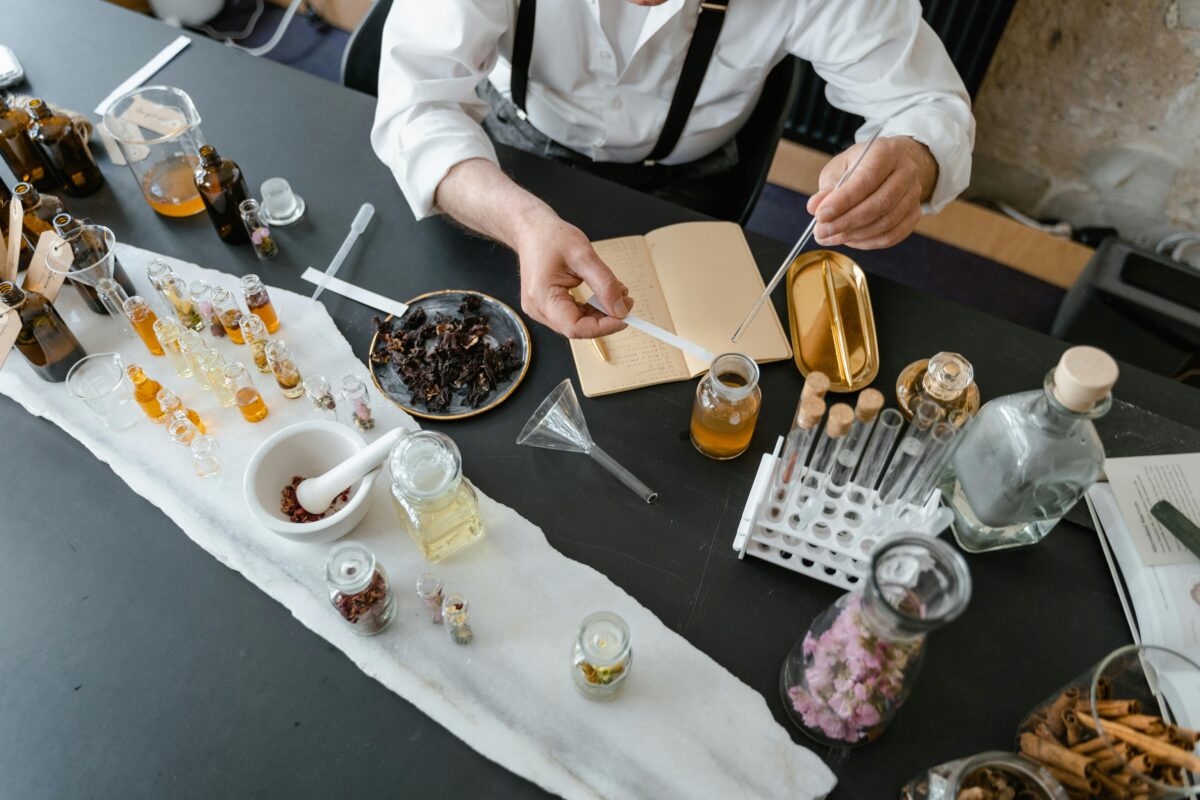
Okay, let’s talk about the building blocks of any great perfume. They’re generally broken down into three main parts:
- The Fragrance Oils:
These are the heart of your perfume, and they are the star of the show!
- The Alcohol:
Acts as a solvent and helps disperse the fragrance, making it easier to apply and wear.
- The Distilled Water:
This helps dilute the essential oil and alcohol mixture. It acts as a natural carrier and ensures that the perfume does not irritate the skin.
Fragrance Families: Choosing Your Scent Profile
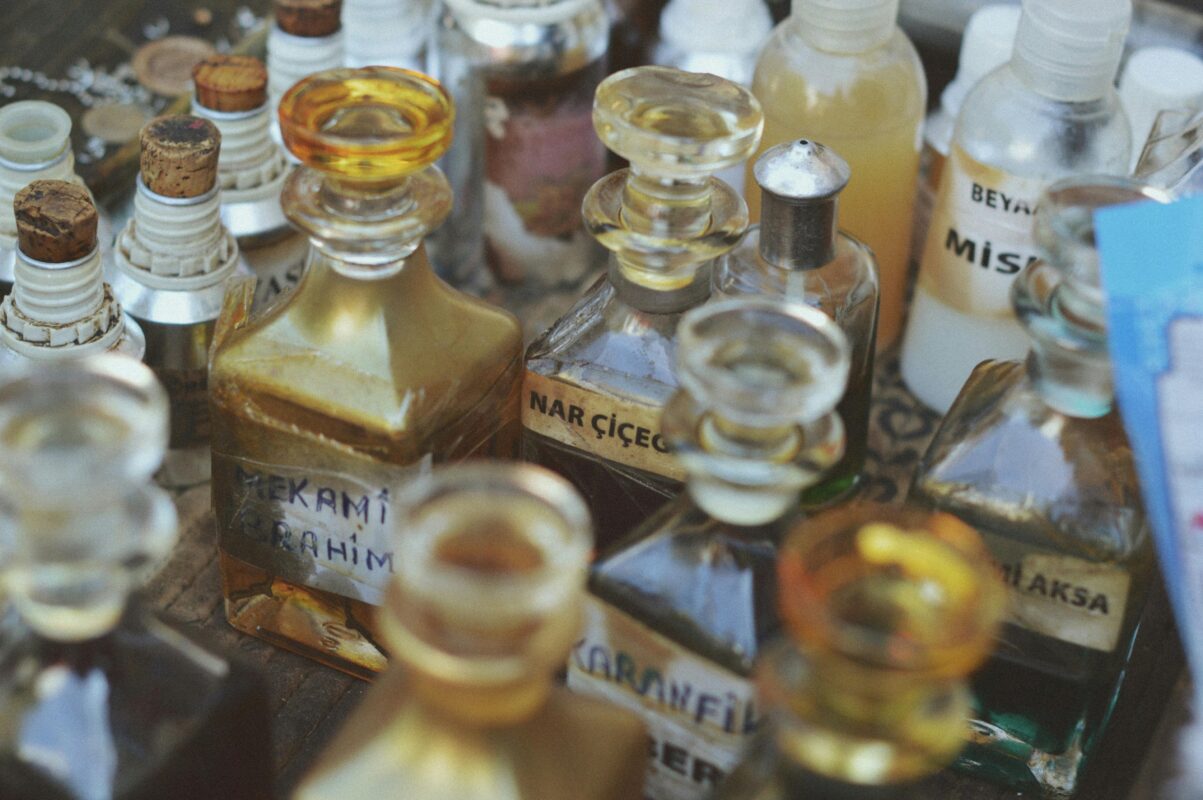
Before you even think about mixing, let’s chat about fragrance families. This is where your personal preferences really come into play.
Citrus Perfumes: Zesty and Bright
Think sunshine in a bottle! Citrus notes like bergamot, lemon, grapefruit, and mandarin are refreshing, uplifting, and perfect for daytime wear.
Floral Perfumes: Romantic and Delicate
Roses, jasmine, lavender – ah, the classics. Floral perfumes are romantic, feminine, and perfect for any occasion where you want to feel a touch of elegance.
Woody Perfumes: Earthy and Grounding
Sandalwood, cedarwood, patchouli – these scents are warm, grounding, and often used in more complex, sophisticated fragrances. They’re perfect for creating a sense of comfort and depth.
Oriental Perfumes: Exotic and Sensual
Think spices, resins, and vanilla. These are often rich, warm, and a bit mysterious. Oriental perfumes are perfect for evening wear or making a bold statement.
Fresh Perfumes: Clean and Invigorating
Marine notes, green tea, and clean cotton – these are light, airy, and refreshing. Great for those who prefer a subtle, clean scent.
Essential Oils 101: Your Palette of Scents
Now, let’s dive into the fun part: essential oils! These are the concentrated extracts from plants, and they’re what give your perfume its unique scent. Each oil has its own character, its own story to tell. Choosing the right essential oils is like choosing the colors for your masterpiece.
Essential Oils for Perfume (Specific examples):
- Lavender Essential Oil: Relaxation in a Bottle:
- A calming and versatile oil, perfect for creating a relaxing and soothing fragrance.
- Rose Essential Oil: The Queen of Aromas:
- Luxurious, romantic, and a true classic. Be prepared – pure rose essential oil can be pricey, but it’s worth it!
- Sandalwood Essential Oil: Warm and Woody:
- Offers a warm, grounding base note that adds depth and longevity to your perfumes.
- Bergamot Essential Oil: Citrusy Sunshine:
- A bright and uplifting citrus note that can add a touch of freshness to your perfumes.
- Jasmine Essential Oil: Intoxicating Floral:
- Intensely floral and intoxicating, jasmine adds a touch of luxury and sensuality.
Creating Essential Oil Blends: The Art of Harmony:
Don’t be afraid to mix and match! Combining different essential oils is where the real magic happens. Start with a few drops of each, and experiment.
Gathering Your Perfume Making Arsenal
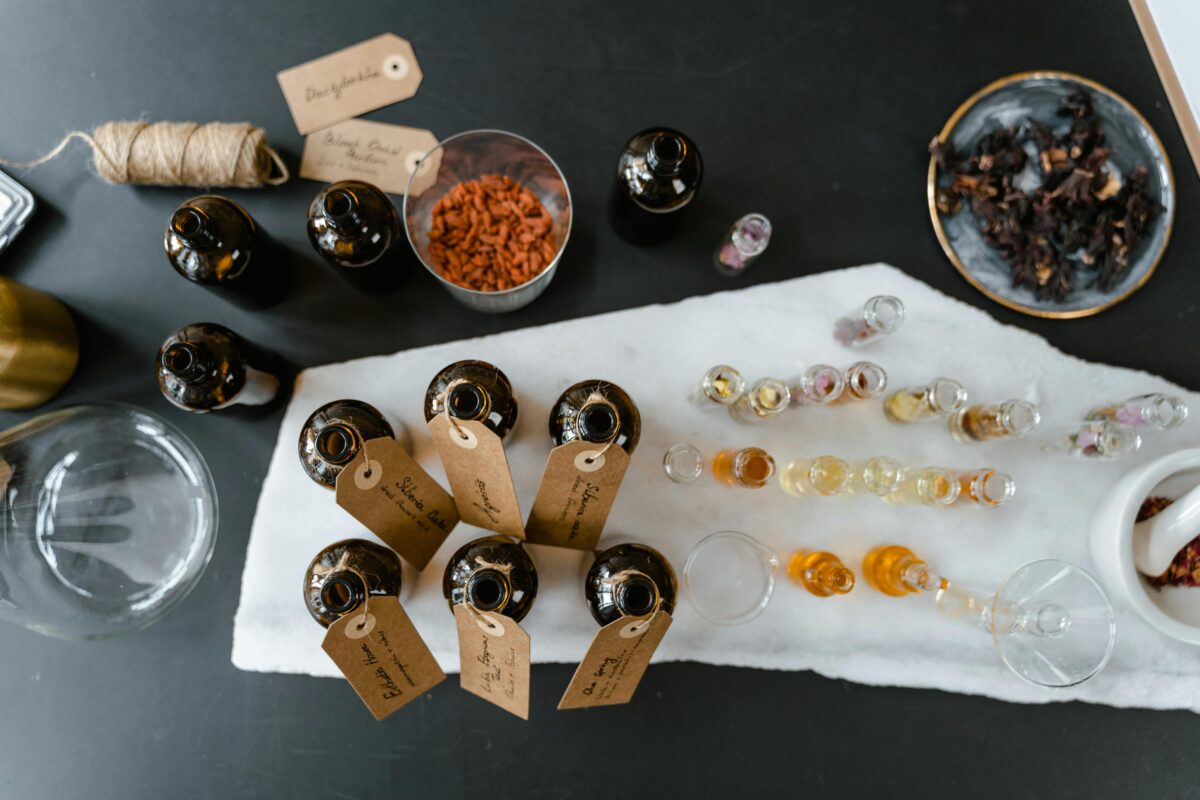
Before we dive into the actual making part, let’s make sure you have everything you need. Luckily, the supplies are relatively simple and affordable.
Perfume Making Supplies You’ll Need:
- Alcohol for Perfume: The Perfume’s Backbone:
- The best choice is perfumer’s alcohol (also known as ethanol). It’s specially formulated to blend with essential oils.
- Distilled Water: For Dilution and Balance:
- Tap water can contain impurities that might affect the scent, so always use distilled.
- Glass Bottles for Perfume: Storing Your Creations:
- Amber or dark-colored glass bottles are best.
- Perfume Sprayer: Applying Your Fragrance:
- This is optional. You can use a roll-on bottle or a dropper.
- Perfume Making Kit:
- Easy and Convenient: Perfume making kits are a great way to get started.
Crafting Your Signature Scent: A Step-by-Step Guide
Ready to get your hands (and nose!) dirty? Here’s how to make your own perfume.
Choosing Your Fragrance Notes
This is where you decide what your perfume will smell like.
- Top Notes: The First Impression:
- These are the scents you smell first – the light, bright notes that fade quickly. Think citrus, bergamot, or light florals.
- Middle Notes: The Heart of Your Perfume:
- These notes appear after the top notes fade. They form the core of the fragrance. Think rose, jasmine, or lavender.
- Base Notes: The Lingering Essence:
- These are the grounding notes that provide staying power. Think sandalwood, cedarwood, or vanilla.
The DIY Perfume Process
- Step 1: Measuring and Mixing: Blending the Magic
- In a clean glass bottle or beaker, measure your essential oils. Keep track of your drops! This is where you’ll develop your personal recipe.
- Step 2: Maceration Process: Allowing Scents to Marry
- Seal your bottle tightly and let it sit in a cool, dark place for at least two weeks.
- Step 3: Dilution and Bottling: Bringing it to Life
- After maceration, add your alcohol and distilled water to the mix. Give it a gentle shake, and it’s ready to bottle!
- Step 4: Testing your perfume: Adjusting Your Formula
- Spritz a little on your wrist and wait a few minutes. Does it smell how you imagined? If not, adjust your formula!
DIY Perfume Recipes to Inspire You
Here are a few scent blends to get you started.
Recipe 1: Citrus Burst
- Top Notes: 5 drops Bergamot, 3 drops Grapefruit
- Middle Notes: 4 drops Lemon
- Base Notes: 2 drops Cedarwood
Recipe 2: Floral Fantasy
- Top Notes: 4 drops Lavender, 2 drops Lemon
- Middle Notes: 4 drops Rose, 2 drops Jasmine
- Base Notes: 2 drops Sandalwood
Taking it Further: Advanced Techniques
Okay, you’ve made a basic perfume, but are you ready to take things to the next level?
Fixatives in Perfume: Enhancing Longevity:
If you want your perfume to last all day, fixatives are your friend. They slow down the evaporation of the fragrance oils. Common fixatives include amber or musk.
How to Layer Scents: The Art of Complexity:
You can create truly unique fragrances by combining multiple scent families, adding a layer of complexity.
Making Perfume Base: Building a Foundation:
There are many bases you can start with, such as jojoba oil, shea butter, or even aloe vera.
Perfume Longevity: Keeping Your Sce nt All Day Long:
There are a number of ways to increase the longevity of your perfume.
Going Natural: DIY Natural Perfumes
Interested in creating a fragrance without any synthetic ingredients?
- Using Natural Ingredients: the Natural Way:
- Many people choose to make perfumes using natural ingredients only, such as essential oils and absolutes.
- Making Perfume with Natural Ingredients: Eco-Friendly Options:
- You can also choose natural ingredients, such as jojoba oil.
Troubleshooting: Common Perfume Issues
Sometimes, things don’t go as planned. Don’t worry – here are some common problems and how to fix them.
- My Perfume Smells Bad”: What Went Wrong?
- Could be the quality of your oils or contamination.
- “My Perfume Doesn’t Last”: How to Improve Staying Power
- Add more base notes and consider using fixatives.
- Cloudy Perfume Solutions: Fixing Cloudy Mixtures
- Ensure all ingredients are fully dissolved and let the mixture settle.
- Changing the Scent of Perfume: Adjusting Your Fragrance
- Consider altering ratios or experimenting with different notes.
Frequently Asked Questions (FAQs)
Let’s answer some of the most common questions people have when making perfume at home:
What type of alcohol is best for perfume?
Perfumery grade ethanol (also called perfumer’s alcohol) is the ideal choice. It’s specially made to mix well with essential oils and has a minimal scent of its own.
Can I use vodka to make perfume?
While you can use vodka, it’s not the best option. Its strong scent can interfere with your fragrance, and it doesn’t blend as well as perfumer’s alcohol.
How long does homemade perfume last?
The shelf life of homemade perfume varies depending on the ingredients, but it typically lasts 6 months to a year if stored properly (cool, dark place).
How much essential oil should I use in perfume?
A good starting point is about 15-20% essential oils to alcohol. However, you can adjust to your preference.
What are the different types of perfumes?
Parfum (20-30% fragrance oil), Eau de Parfum (15-20%), Eau de Toilette (5-15%), and Eau de Cologne (2-4%). The higher the concentration of fragrance oil, the longer it will last.
Conclusion:
There you have it! Making perfume at home is a fun, rewarding process.
This is just the beginning, and I encourage you to experiment! Try different essential oils, and create scents.
Happy perfuming, my friends!